Southern live oak
Quercus virginiana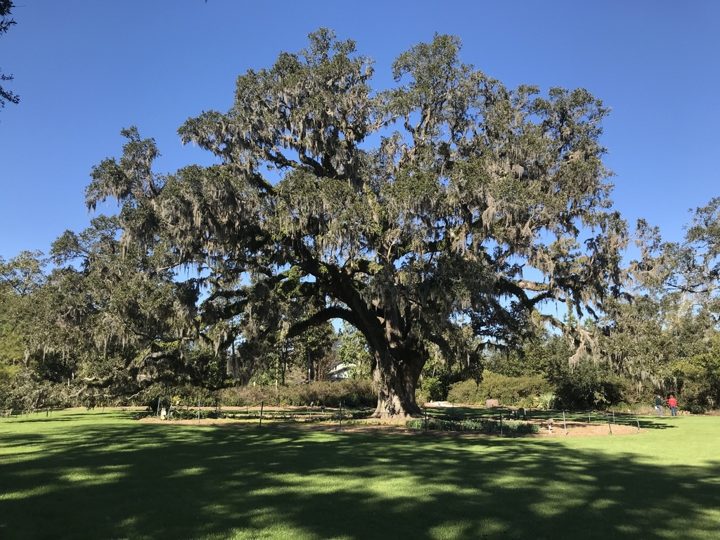
Leathery evergreen leaves with rolled edges and downy undersides on a spreading tree.
Find its rhythm
Light
Sun for much of the day
Water
Inspect the root zone, especially after planting. Adjust for rainfall, soil and establishment; avoid shallow daily watering. Start with a soil check every 7 days and adjust for your conditions.
Care through the seasons
Soil & drainage
Choose a site with suitable drainage and room for mature roots. Container trees need open drainage holes.
Climate
Use the linked hardiness information and local advice before planting outside.
Seasonal care
Young and container-grown trees need closer moisture checks than established landscape trees.
Feeding
Base feeding on growth and soil conditions; do not fertilize simply to treat unexplained decline.
Pruning
Remove damaged branches carefully. Check species-specific pruning timing before structural cuts.
Propagation
Seed
Hardiness
8a, 8b, 9a, 9b, 10a, 10b
Watch for
Root-zone stress · Scale insects · Climate mismatch
Care-group starting guidance; adapt to your cultivar and local climate.
Pet & child safety
Not in the ASPCA list — treat it as unsafe until you know more
Moderately toxic to children (California Poison Control)
Moderate toxicity: eating it is expected to cause nausea and vomiting, but it is not expected to be life-threatening.
Skin irritant: touching the sap or leaves can cause redness, itching, a rash or blisters.
Keep plants out of reach of children and pets. Never eat a plant based on an app.
If any is eaten: Call your local poison control centre or vet. In the US: Poison Control 1-800-222-1222; ASPCA Animal Poison Control (888) 426-4435 (a fee may apply).
Sources checked 10 Nov 2026. Lists change, so check the source before relying on it.