English ivy
Hedera helix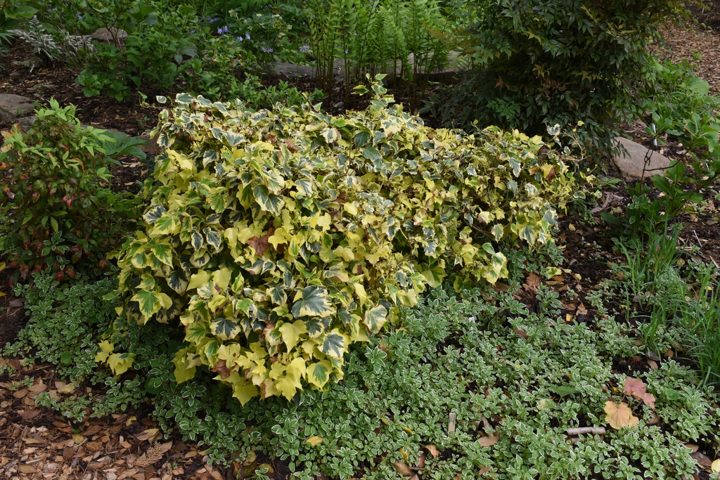
Dark, glossy, three- to five-lobed leaves on trailing or climbing stems.
Find its rhythm
Light
Filtered light; shelter from harsh afternoon sun
Water
Check the upper soil layer; water when it has begun drying, then empty the saucer. Start with a soil check every 7 days and adjust for your conditions.
Care through the seasons
Soil & drainage
Use an airy container mix and a pot with open drainage holes.
Climate
Keep conditions steady and protect tropical foliage from cold drafts.
Seasonal care
As growth slows, check moisture before watering; the same calendar interval may be too frequent.
Feeding
Feed only during active growth, following the product label. Pause if roots are stressed.
Pruning
Remove dead foliage with clean tools; keep healthy leaves to support growth.
Propagation
Stem cuttings
Hardiness
4a, 4b, 5a, 5b, 6a, 6b, 7a, 7b, 8a, 8b, 9a, 9b, 10a, 10b, 11a, 11b, 12a, 12b, 13a, 13b
Watch for
Persistent wet soil · Leaf pests · Light stress
Care-group starting guidance; adapt to your cultivar and local climate.
Pet & child safety
Toxic to cats and dogs (ASPCA)
Signs in cats and dogs (ASPCA): Vomiting, abdominal pain, hypersalivation, diarrhea. Foliage is more toxic than berries
Moderately toxic to children (California Poison Control)
Moderate toxicity: eating it is expected to cause nausea and vomiting, but it is not expected to be life-threatening.
Skin irritant: touching the sap or leaves can cause redness, itching, a rash or blisters.
Keep plants out of reach of children and pets. Never eat a plant based on an app.
If any is eaten: Call your local poison control centre or vet. In the US: Poison Control 1-800-222-1222; ASPCA Animal Poison Control (888) 426-4435 (a fee may apply).
Sources checked 10 Nov 2026. Lists change, so check the source before relying on it.